In my dream
I was a siren, dwelling
in a pool of blood
filled with corpses
of preys
awaiting
their starved predator;
Musical, aquatic Scheherazade-
unwilling witness, captive,
or cold-blooded accomplice
with a gnawing change of heart-
so not so cold-blooded after all?
Moon-intoxicated, I sensed
your presence from afar,
running, teeth-clenching-
anxiety rising,
clinging
to the last tidal dream,
I wonder – who am I
supposed to
hypnotise:
the new live prey,
the ghosts of the dead,
or you?
Reluctant to find out,
I sing my melody, inwardly
to drown out the sound
of your blood feast.
Category: Uncategorized
-
Siren’s prayer
-
A poem: Velvet glove
An iron hand
in a velvet glove,
soft veils over roots
unwavering- your core,
honey-mouthed- your discourse,
your silence.Within,
there is the hibernating
alpha-serpent,
awaiting resurrections-
you bathe in the light of
her uttered incantations.You spot the red flags
of the dark triad,
you never wave white flags,
for there’s no fire in your soul-
not the red type that burns,
and destroys the self, no,
only blue flames that glow,
soothe, and create the selves.What about the heart-
underneath the layers- is it
iron laced with velvet or
all velvet beneath armour;
is it slippery?
What about the flesh?
the snow melting under the skin
until it gleams? -
The Uncanny & London Exhibitions January – March 2020
Introduction: Reflections on the Uncanny
“The uncanny” is a bemusing, unsettling, strangely familiar phenomenon characterised by a feeling of disruptive eeriness and unreality piercing through the fabric of the mundane; it generates a particular type of response in one’s psyche and evokes an ineffable feeling. The uncanny generally teeters on the blurred lines between reality and illusion, self and other, life and death, the natural and the unnatural. It is a subjective experience, to which some people are more susceptible than others; and ultimately, it’s an elusive feeling, which varies from person to person, both in the source that stimulates it and in the particularities of the response it elicits. There is a notable distinction to be made between the cultural view of the uncanny – as represented through pieces of art, film, or other media, and the psychoanalytic one, as introduced by Freud in his influential essay on aesthetics, Das Unheimliche.
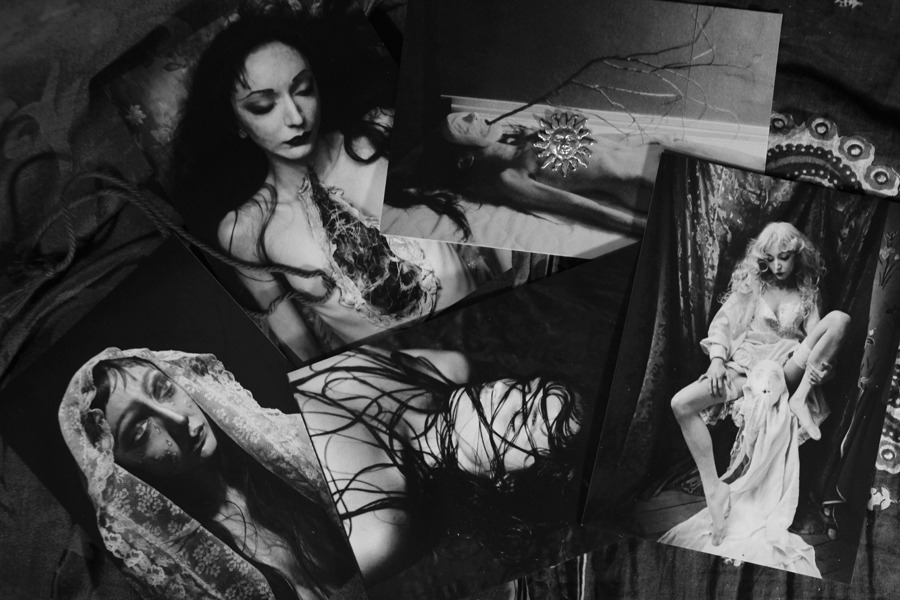
Art by Feebrile In fiction, the uncanny has often been associated with recurrent themes such as the double/doppelgänger figure, reflections, mirroring, strangely familiar apparitions, haunted homes, horror, & the symbolic return of the repressed in the form of ghosts, monsters, or other Gothic figures. In art, objects such as wax masks, automata, and lifelike dolls tend to be described as uncanny. This refers to what is known as the Uncanny Valley, emphasising the unsettling, repulsive effect of things of an ambiguous lifelike nature, objects that appear to be human and alive, but upon closer examination reveal themselves to be flawed human replicas. However, in psychoanalytic terms used to describe real-life phenomena, the uncanny diverges from the cultural perspective.
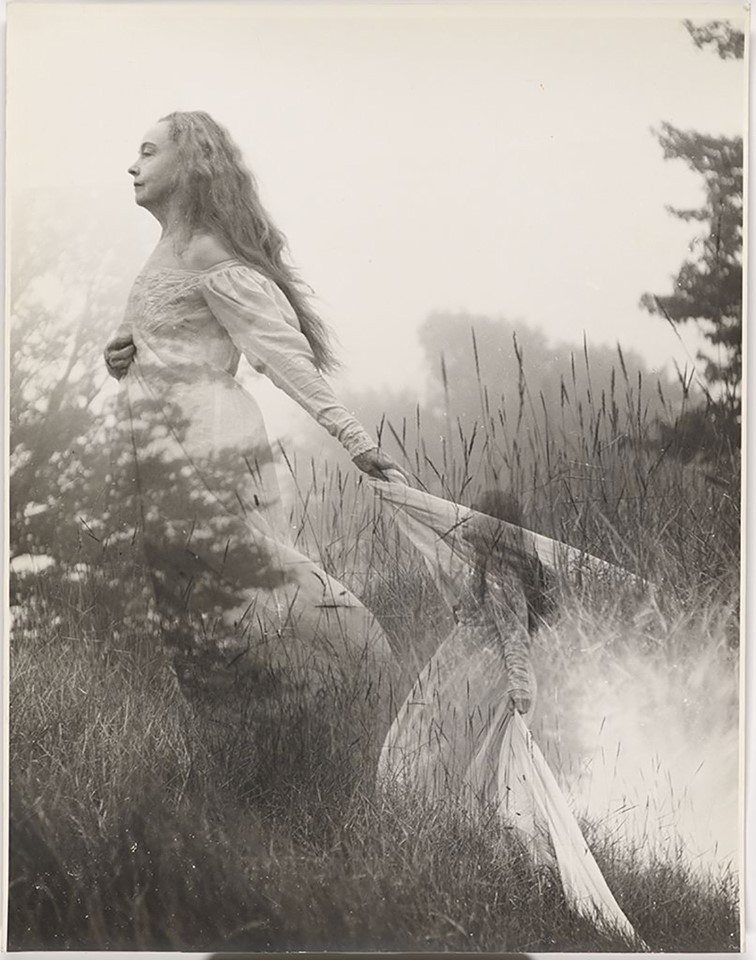
“[…]According to theological principles, these seemingly natural, living, moving figures are spectral, mere images, uncanny because illusory. Such images or effigies consequently appear to supplant reality or take over from it when no prior referent remains in existence (the Seven Deadly Sins are allegories, Helen is long gone). The uncanny is an effect of reflection without referent, or of creation ex nihilo. In other words, it rises from a false impression that soul, in all its imprecision and mystery, is breathing into something; but these intimations of soul presence begin to stir only to be withheld. Living likenesses strive to guarantee and perpetuate presence, but ultimately underline the vanished and absent subject; creepily, they resemble someone or something who is not there, as in a mirror reflection with no subject.” -Marina Warner, Phantasmagoria: Spirit Visions, Metaphors, and Media into the Twenty-first Century
Psychoanalytic discourse emphasises the subjectivity of the phenomenon, shifting the focus from the objects themselves (which are not inherently endowed with uncanniness) to how we, the observers, experience certain objects, settings, situations, and, as I would suggest, also art shows and artworks, in a way that perceptually challenges or disrupts our sense of reality, making us aware of the unfamiliar present in the familiar, and resurrecting phantom elements or modes of perception from our past, particularly from early childhood. Within these intimate moments, our being has an inner dialogue whilst a haunting sense of unreality temporarily permeates the fibres of our existence. In this light, the uncanny encompasses experiences such as a human subject unconsciously or seemingly accidentally returning to the same spot several times (as if compelled or pushed by an external force), the feeling of deja-vu, a peculiar sense of being watched, potentially by something supernatural, finding objects that you thought were lost forever, or stepping into an empty place that is normally filled with people. When it comes to the aesthetic experience, Derrida’s concept of hauntology applied to art (the extended definition of art) refers to how hauntological aesthetics can induce an otherworldly nostalgia by invoking phantoms of the past that are neither present nor absent, as well as a sense of a lost future.


In one of his inspiring talks held at the Freud Museum, British psychoanalyst Darian Leader linked the uncanny response with elements of anxiety, fear, and shock. Meanwhile, I have previously experienced the uncanny as a dream state, a combination of weightlessness, derealisation, lightheadedness, a sense of a distant, diffuse past merging with the present, of time being suspended or dissipated, of another world permeating current reality. I would describe it as a spiritual occurrence which can be resurrected by a scent, a melody, a film, an atmosphere, or an object, making me see the world through another lens, belonging to a much younger version of myself, who used to process the world in a more mystical way. This impression, this world pouring through another world, this repetition of a way of seeing is ambiguous, as it’s filtered through memories, which can morph as time goes by and “re-shape” the past. Such memories can summon echoes of seemingly insignificant, disjointed aspects and sensory moments that our minds may have considered fascinating. They are often distorted, or disguised. Unlocking the meaning behind a childhood memory is like drawing the latent image from the manifest dream. The uncanny response is sensory, emotional, and intellectual at the same time. Darian Leader also mentioned how a change in the subject’s self-image can appear in such moments, a self-perception as an object of the gaze of a higher external force, a perception of the self as ‘the other’, a fleeting sense of alienation from one’s own constructed identity, desires, sense of the world, or from reality. Darian Leader also emphasised the dimension of conscious or unconscious desire that is relevant in this context, and how the cancellation of the gap of that desire, so the moment of its fulfilment (i.e. the desire to find something or to recreate an old narrative or scenario) stimulates an uncanny response.
Freud’s essay starts with an in-depth analysis of the ambiguous meanings behind ‘heimlich’ and ‘unheimlich’, exemplifying the multiple uses of the German words, and how they are not always antonyms. Link to Freud’s essay on the uncanny: Das Unheimliche.
London Exhibitions – Last chance to see:
The Uncanny: A Centenary
Through The Uncanny exhibition, The Freud Museum celebrates 100 years since Freud defined and explored the concept of the uncanny in his well-known, pioneering essay on aesthetics entitled “Das Unhemliche”. The Uncanny programme held at the Freud Museum has included inspiring talks by Freudian psychoanalysts, artists, and academics on the topics of the uncanny in art, the uncanny in film, and the uncanny as a real life experience.
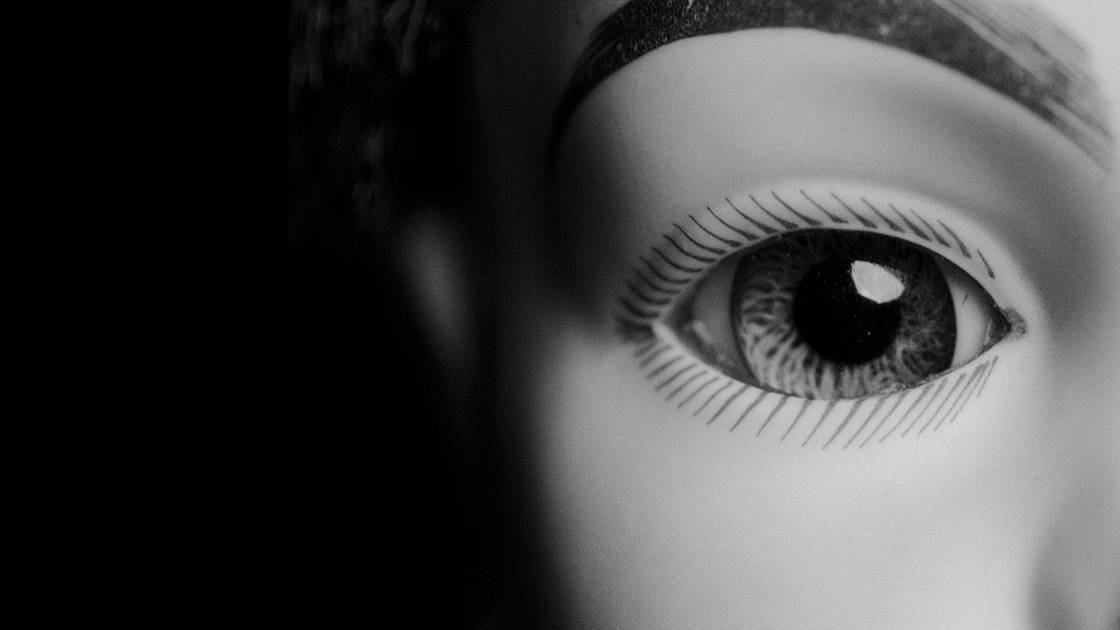
Immerse yourself in the evocative artworks exhibition and the haunting installation inspired by T. A. Hoffmann’s The Sandman at the Freud Museum. The exhibition features etchings by German surrealist artist, Hans Bellmer, as well as disturbing recent works by Elizabeth Dearnley, Lili Spain, Martha Todd and Karolina Urbaniak & Martin Bladh. Moreover, you can see Freud’s death couch, as well as trying the Sandman App, through which you can have an unsettling audio tour of the museum, with the Sandman installation as the memorable epilogue.
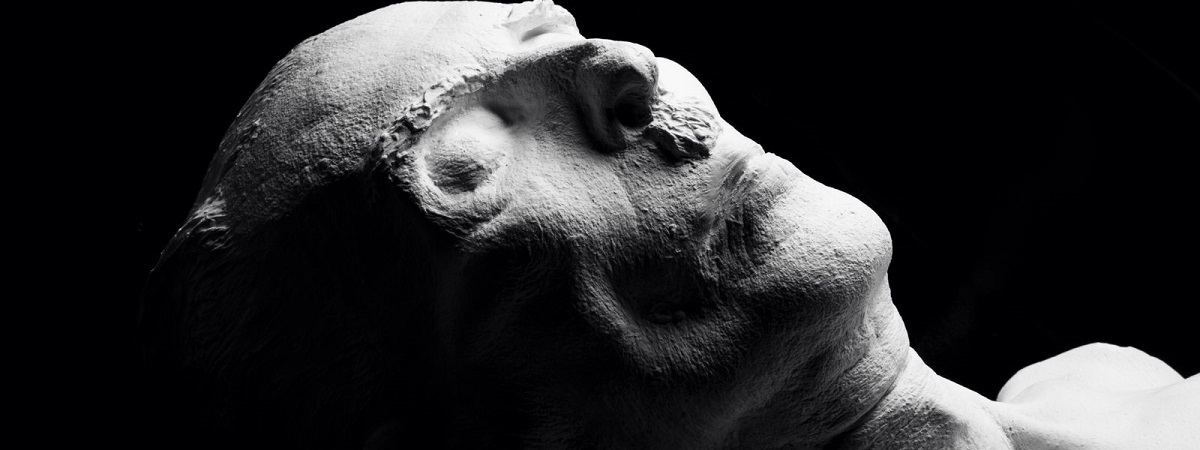
Besides the immersive exhibition, which is open for two more weeks, you can also attend two upcoming uncanny events, which can be found on the official website. One of the events is focused on Freud’s essay and links between psychoanalysis and literature, led by literature teacher Forbes Morlock, and the other, “Funerary Masks and Death Masks” is a talk by Nick Reynolds, British sculptor and creator of death masks.
Exhibition at Freud Museum until 9 February 2020.
Dora Maar


Surrealist photographs by Dora Maar, influential, nonconformist French photographic artist and one of the few female artists from within the famous group of the 1920s-1930s surrealists.
The uncanny artworks of Dora Maar include double exposures, photograms, and photomontages, often imbued with a sense of melancholy and tenebrosity, depicting scenes ranging from the poetic solitude and ambiguity of Parisian boulevards and urban life, to unconventional representations of fashion, erotica, symbolic self-portraits, and figures and silhouettes viewed from strange perspectives, as well as ghastly creatures. One of her most iconic images, the delicate hand crawling out of the shell on a desolate beach surrounded by an ominous skyscape with apocalyptic clouds, is filled with grace, vulnerable elegance, frailty, doom, nostalgia, as well as a strange erotic quality. The juxtaposition of elements creates a surreal dreamlike narrative. In addition to her surreal art, the artist also approached and represented the world realistically, through natural photographic captures of simple, seemingly unplanned moments, visual vernacular, and candid narratives within the urban space.
Dora Maar has been known as the model, muse, and lover of Picasso, whose dark portrayal of her in his work-particularly in “The Weeping Woman” as a suffering, tortured, yet monstrously threatening figure- she vehemently rejected, declaring that all his depictions of her are deceptions with no link to her character.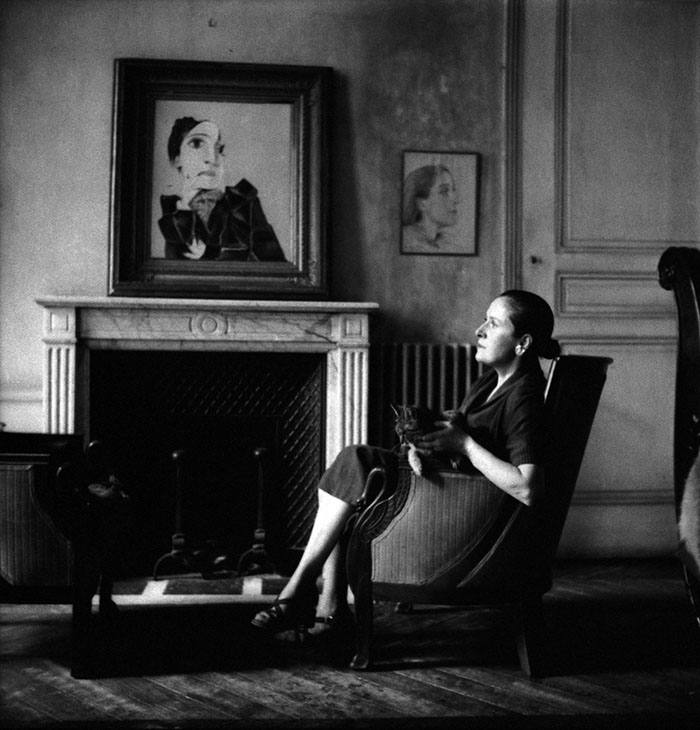
Dora Maar photographed by Lee Miller in her Paris home cca 1956. Featuring a Picasso portrait of her on the mantelpiece. Captivated by her beauteous transfixing appearance and intellectual and artistic brilliance, Picasso developed an obsession with painting her in a multitude of ways, albeit distorted, stylised ways, blending various personal themes with his subject. Dora Maar often painted portraits of Picasso and other members of the surrealist circle. She was also photographed and influenced by renowned surrealist photographer Man Ray. Brassai described her saying that she had “bright eyes and an attentive gaze, a disturbing stare at times”, whilst James Lord poetically painted her inner and outer beauty in words, also starting with the windows of the soul: “Her gaze possessed remarkable radiance but could also be very hard. I observed that she was beautiful, with a strong, straight nose, perfect scarlet lips, the chin firm, the jaw a trifle heavy and the more forceful for being so, rich chestnut hair drawn smoothly back, and eyelashes like the furred antennae of moths” (J. Lord, Picasso and Dora, New York, 1993). After parting ways with Picasso, she was treated by French psychoanalyst Lacan and eventually decided to embrace the path of solitude and mysticism, whilst still expressing herself through various forms of art.
The exhibition provides an amazing opportunity to explore the complex, bewitching, enigmatic inner world of the woman whose distinguished work and artistic identity have often been eclipsed by her legendary association with the famous cubist artist.
Dora Maar’s work is exhibited at Tate Modern until 15 March 2020.
William Blake

 The Agony in the Garden c.1799-1800 William Blake 1757-1827 Presented by the executors of W. Graham Robertson through the Art Fund 1949 http://www.tate.org.uk/art/work/N05894

 Pity c.1795 William Blake 1757-1827 Presented by W. Graham Robertson 1939 http://www.tate.org.uk/art/work/N05062
Mesmerising, mystical, soul-stirring artworks from the allegorical universe of William Blake. Born in Soho, London, Blake was a fascinating artist whose work was misunderstood and deemed to be a sign of madness by his contemporaries, being far ahead of its time due to its expressively dark, sacrilegious nature and the sometimes grotesque creatures depicted. His work received merit and recognition mostly posthumously, as he is now one of the most highly revered English poets and visual artists. The artist’s work was fuelled by the otherworldly visions he started experiencing from a young age. His iconic, symbolic imagery features faeries, devils and angels, fictional deities invented by him- embodiments of philosophical concepts governing his universe, other religious and celestial themes, suffering, sexual violence, scenes from Dante’s Divine Comedy, as well as Miltonic and Shakespearean characters. As it can be observed in the images above, there is a mixture between the ethereal & the sinister in his depictions of angelic beings and blissful scenes and dark, hellish ones with titles such as “The Number of the Beast is 666” and “The Agony in the Garden”.
The Times exhibition review: “Find yourself transported into strange, enraptured realms.”
“To see a World in a Grain of Sand
And a Heaven in a Wild Flower,
Hold Infinity in the palm of your hand
And Eternity in an hour.”– William BlakeWilliam Blake’s oeuvre is now on exhibition at Tate Museum until 2 February 2020
Katie Eleanor: “The Sialia Marbles”


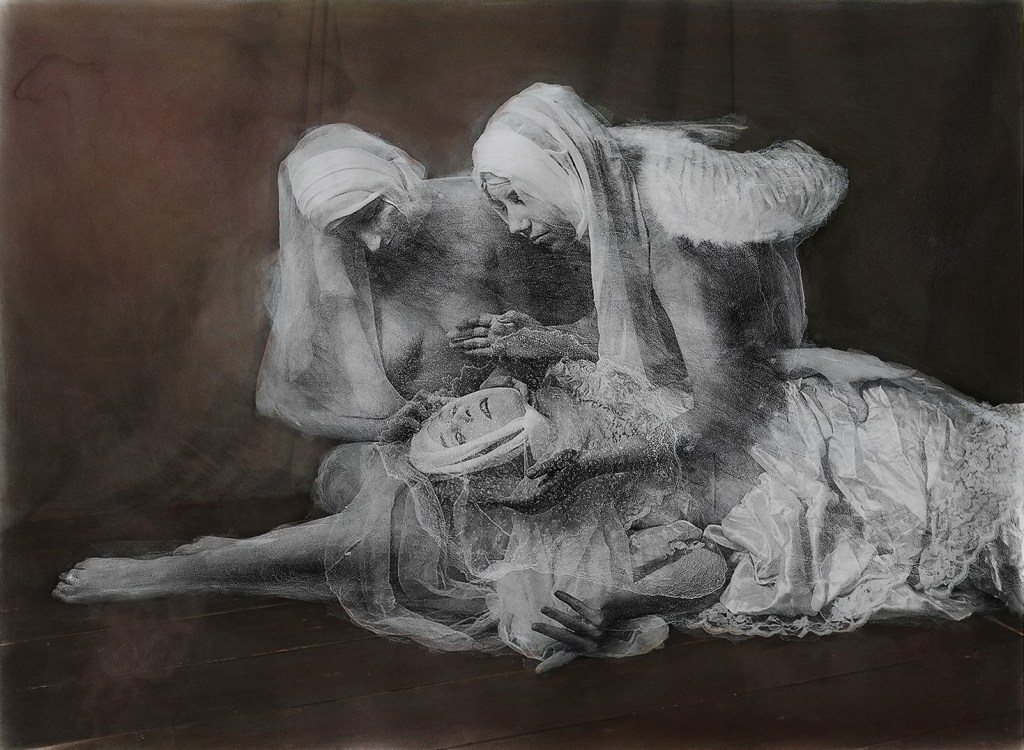
Katie Eleanor is a London-based contemporary fine art photographer and Photographic Arts Graduate from the University of Westminster. Inspired by marble sculptures, the sculptural nature of Oscar Gustave Rejlander’s artworks, as well as scenes and characters from myths and from the artist’s fictional world, artistic memory, or, as she evocatively refers to it, the museum of her mind, “The Sialia Marbles” exhibition features hand-coloured photographic prints depicting ethereal beings frozen in time, marble-like, sometimes angelic-looking, other times ghostly. The uncanny dimension of her artworks stems from the dichotomous interplay between liveliness and death, between the ephemeral and the immortal qualities of her art; the rigidity and physical longevity of marble statues and the fluidity and ephemerality of the human performer; the deathlike stillness and the implication of physical and emotional movement. The beings depicted are also characterised by the archetypal (sentient-inanimate) ambiguity belonging to the Uncanny Valley.
The tableaux of Katie Eleanor allude to religious iconography and mythology art, with some subjects appearing to be solemn, others dramatic, involved in intense narratives. The veiled, white, diaphanous subjects portrayed are reminiscent of spirit photography, which amplifies the uncanny effect. It’s as if we are waiting for the motionless inhabitants of these unknown worlds to transcend the parameters of their existence within art; waiting for them to move towards the edge of the frame or fade away, for their veils to slip and reveal a change in expression, for their eyes to meet ours or glow. At the same time, the resemblance with statues (thus with something inanimate) makes this expectation perplexing.
The process behind the images includes the ritual of painting the models, performing a scene, the post-production process of hand colouring and enhancing the texture of the black and white analogue photographs. “Sialia” is the scientific name for bluebird – which Katie mentions is her alter ego, and the choice to include the word ‘marbles’ in the series title is congruent with her museum without walls parallel- a collection of uncanny human statues from her imaginary museum. The use of analogue photography and old film techniques brings uniqueness to the artworks; the physical, haptic quality of her work makes it more memorable and evocative, taking us on a mental trip through photographic art practices and through history, bringing back cultural artefacts and the sensory, magical properties of photography belonging to the pre-digital age. In more ways than one, Katie Eleanour’s photographs transcend temporality, having a hauntological dimension.


“I love tableaux vivants and creating intense, ambiguous scenarios with my performers. Angels are found in so much religious and historical visual culture, so they are familiar. They also symbolise protection, particularly when the series is viewed as a whole. I am not a particularly religious person, but I believe in sanctuary. My brain and my imagination are my sanctuary, and that is something I associate with these solemn spaces. It’s all creating a sanctuary for the viewer to inhabit, a sense of stillness and introspection.” – Katie Eleanor, Image Journal interview, 2019
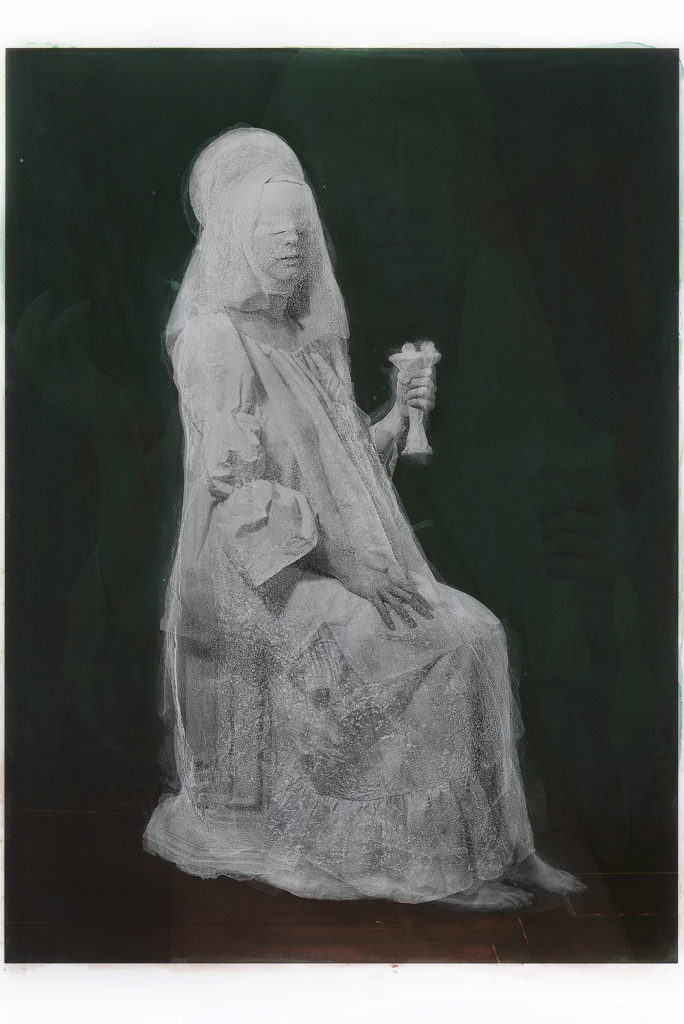
Saint Lucy by Katie Eleanor Among the figures depicted in her work, you can find Saint Lucy and Daphne. After seeing a painting of Saint Lucy by Francesco Del Cossa, displayed at the National Gallery, the artist reveals:
“I was struck by the contrast between the brutality of her story and this ornate, delicate, almost whimsical rendering. In my version, the bandages over her eyes are significant, as I find the eyes of sculptures particularly haunting and vacant. This piece is a kind of homage to an amazing character in history.” – Katie Eleanor, Image Journal interview, 2019
“The Sialia Marbles” collection is on show at MMX Gallery until 15 February 2020
Other exhibitions:
Tim Walker – Victoria and Albert Museum until 22 March 2020
Tutankhamun: Treasures of the Golden Pharaoh- Saatchi Gallery until 3 May 2020
-
Analysis: Meshes of the Afternoon (1943): a spiralling lucid nightmare, Maya Deren, & A dialogue with the Unconscious
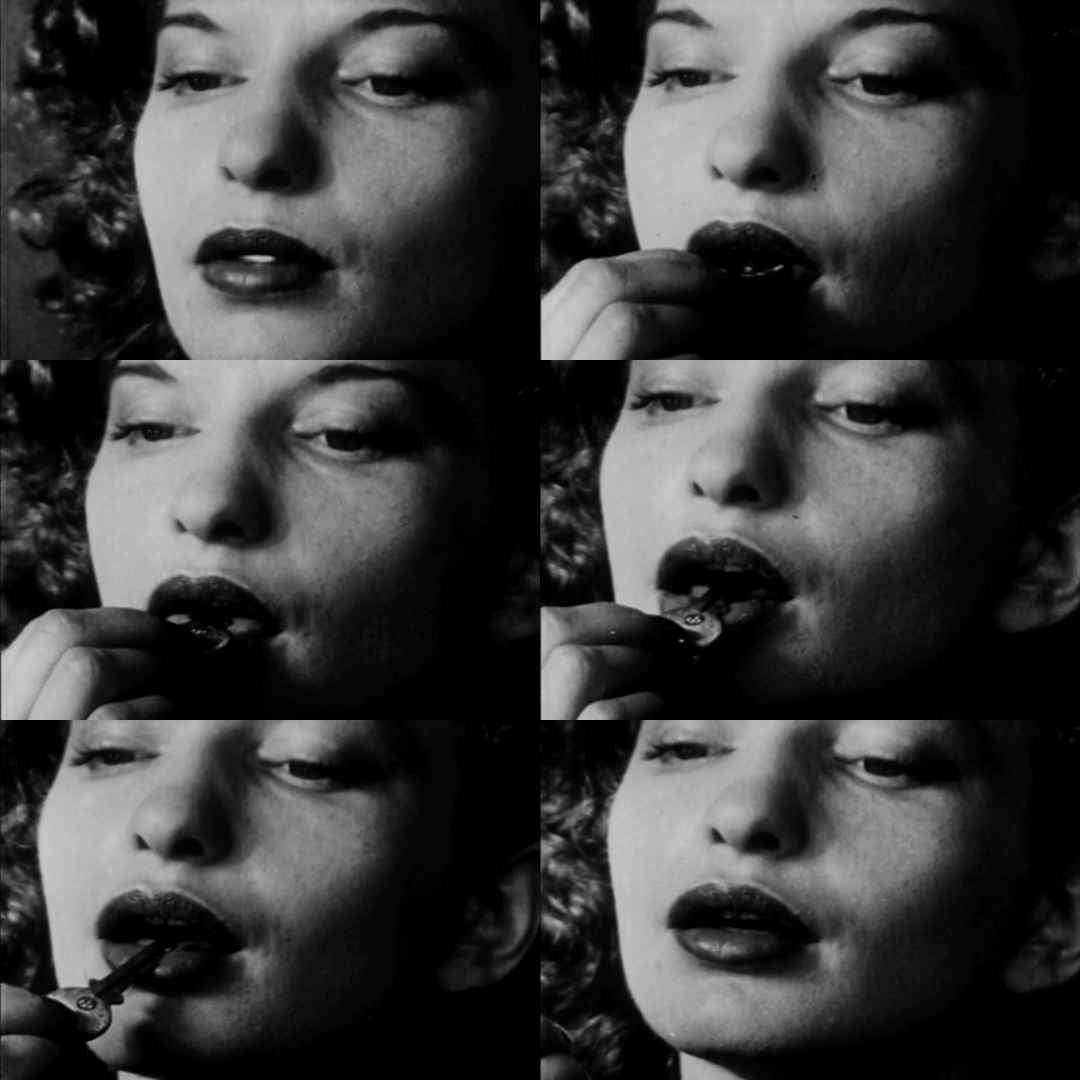 Meshes of the Afternoon (1943) is a memorable, experimental, surreal short film directed and written by Maya Deren. Referred to as poetic psychodrama, the film was ahead of its time with its focus on depicting fragments of the unconscious mind, externalising disjointed mental processes, dreams, and potential drama through poetic cinematic re-enactments brought to life by uncanny doppelganger figures. The enigmatic protagonist, played by Deren herself, enters a dream world in which she finds herself returning to the same spots and actions in and around her house, chasing a strange mirror-faced figure in a nightmarish, entangling, spiralling narrative. Whilst she ritualistically goes through nearly identical motions, with some slight changes, within a domestic space that is imbued with dread and a sense of doom, unreality, and foreignness – we also witness glimpses of multiple versions of herself, watching herself. The camera shifts from subjective to objective angles as the self-representation of the protagonist alternates between the dichotomous concepts of the self and the “other”. The domestic space revolves around certain recurrent symbolic objects. The film conjures up the uncanniness of dissociation or, more specifically, depersonalisation; self-obsession, a woman’s dual inner/outer life and subjective experience of the world, all congruous with Deren’s interest in self-transformation, interior states, surpassing the confines of personality and self-construct, as well as the self-transcending rituals of Haitian Vodou. The dream story, culminating in death, symbolically alludes to the -sometimes strange and terrifying- initial, non-rational stage of the Jungian process of the “transcendent function” (the symbolic confrontation with the unconscious) leading to the separation of awareness from unconscious thought patterns and the liberating reconciliation between the two opposites: ego and the unconscious, which also has the effect of integrating neurotic dissociations.
Continuity is absent in the disjointed dream narrative of the film. The woman goes up the stairs inside the house and unpredictably emerges from the window in a haunting shot, wrapped in and caressed by soft, semi-transparent curtains. After catching her
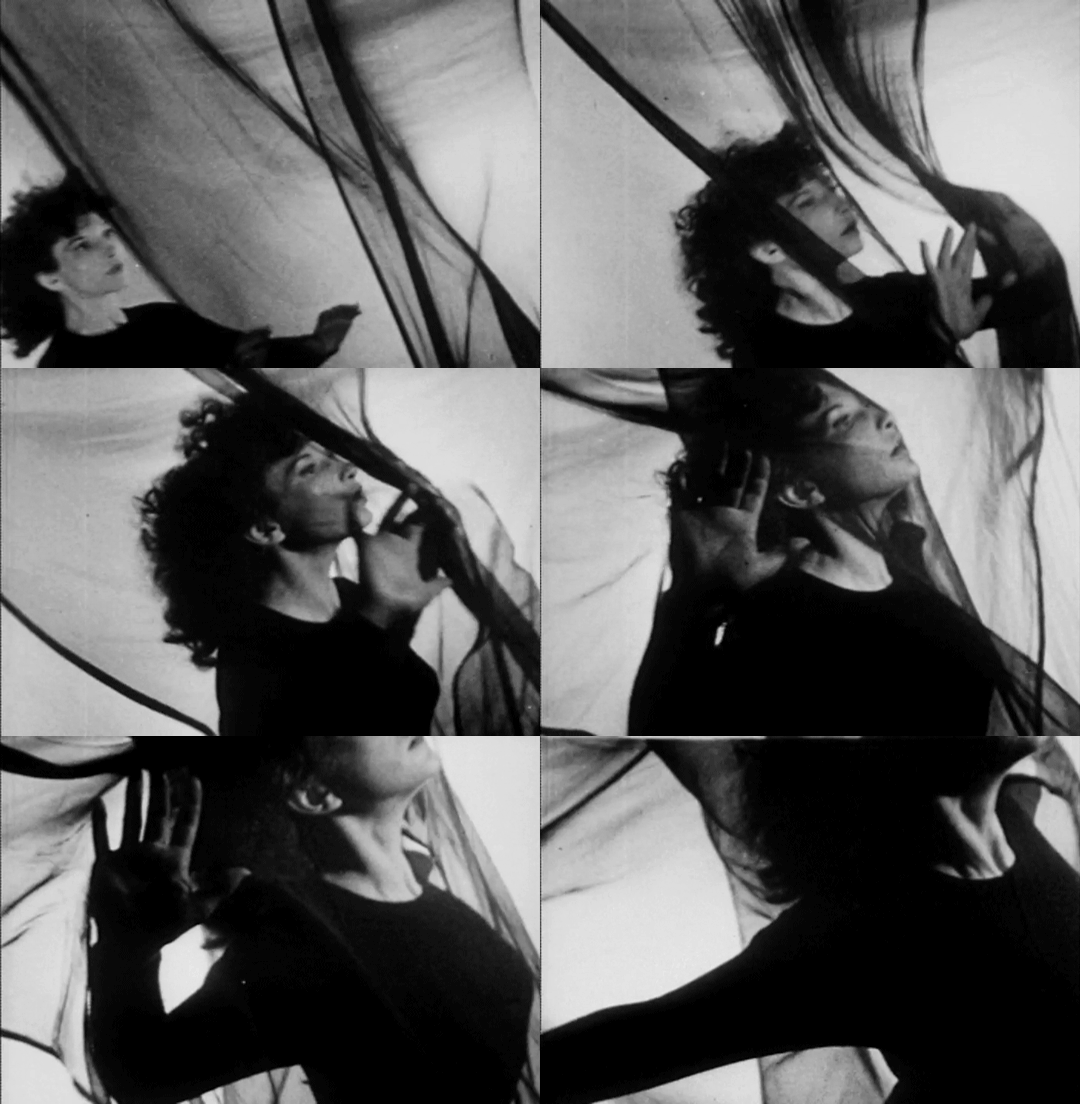 distorted reflection in the polished knife, the camera follows her fluid bending movements as she is crawling on the staircase, whilst being strangely blown away by the wind in various directions within a claustrophobic space, levitating, trying to hang onto things, and eventually hanging in a crucified position against the wall. With her bat-like presence casting a larger-than-life shadow behind her, she gazes at her sleeping body on the couch through a point-of-view shot from the ceiling. This moment vividly evokes the concept of an out-of-body experience. She then watches a previous version of herself through the window, following the flower-holding, black cloaked figure outside. Unable to catch up, she enters the house, and the subjective camera movement switches to this version of her, whilst she catches a glimpse of the funereally dark, cloaked apparition walking up the stairs.
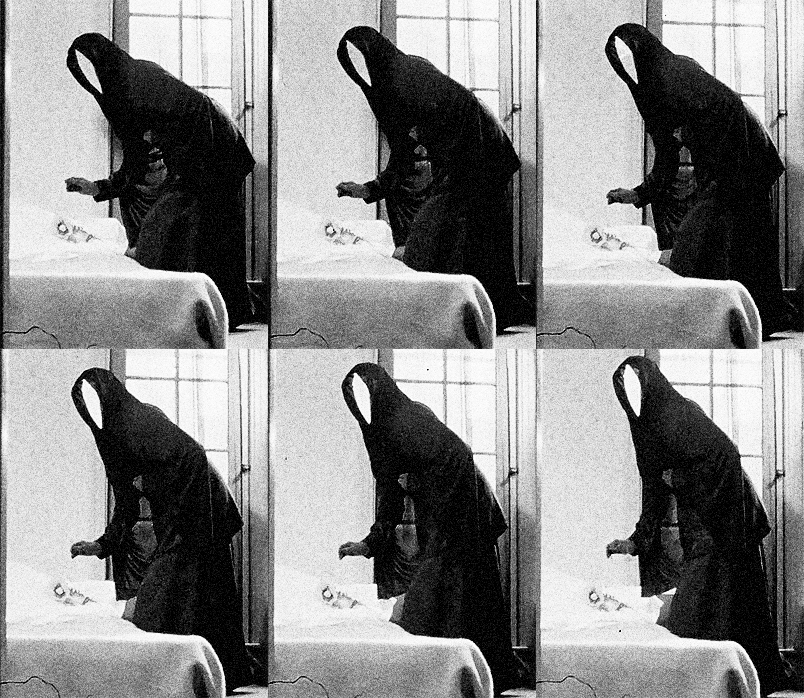 The elusive mirror-faced character is compelling and symbolically evocative. Nun, Grim Reaper, or mourner? The hooded black cloak and the ritual of bringing a flower to someone’s bed are immediately reminiscent of death, of mourning, and associations between bed/tomb and sleep/death. As the face of the obscure ghost-like manifestation is actually a mirror showing the reflection of the watcher, the scenario conjures up the idea of mourning one’s own death. After leaving the flower on the bed, the character disappears and the image of the woman also disappears and re-materialises several times, back and forth on the staircase. She then heads towards her own sleeping body whilst holding a knife, proceeding to try to stab herself before she awakens and sees a man holding a flower in front of her.
The phantom steps of the hooded dream character are traced and re-traced by the man and the woman in what appears to be reality but turns out to be a dream within a dream. The man carries the flower upstairs, leaving it on the bed, a gesture that echoes the dream act but is seen in a different context- of intimacy rather than a religious or funereal act.
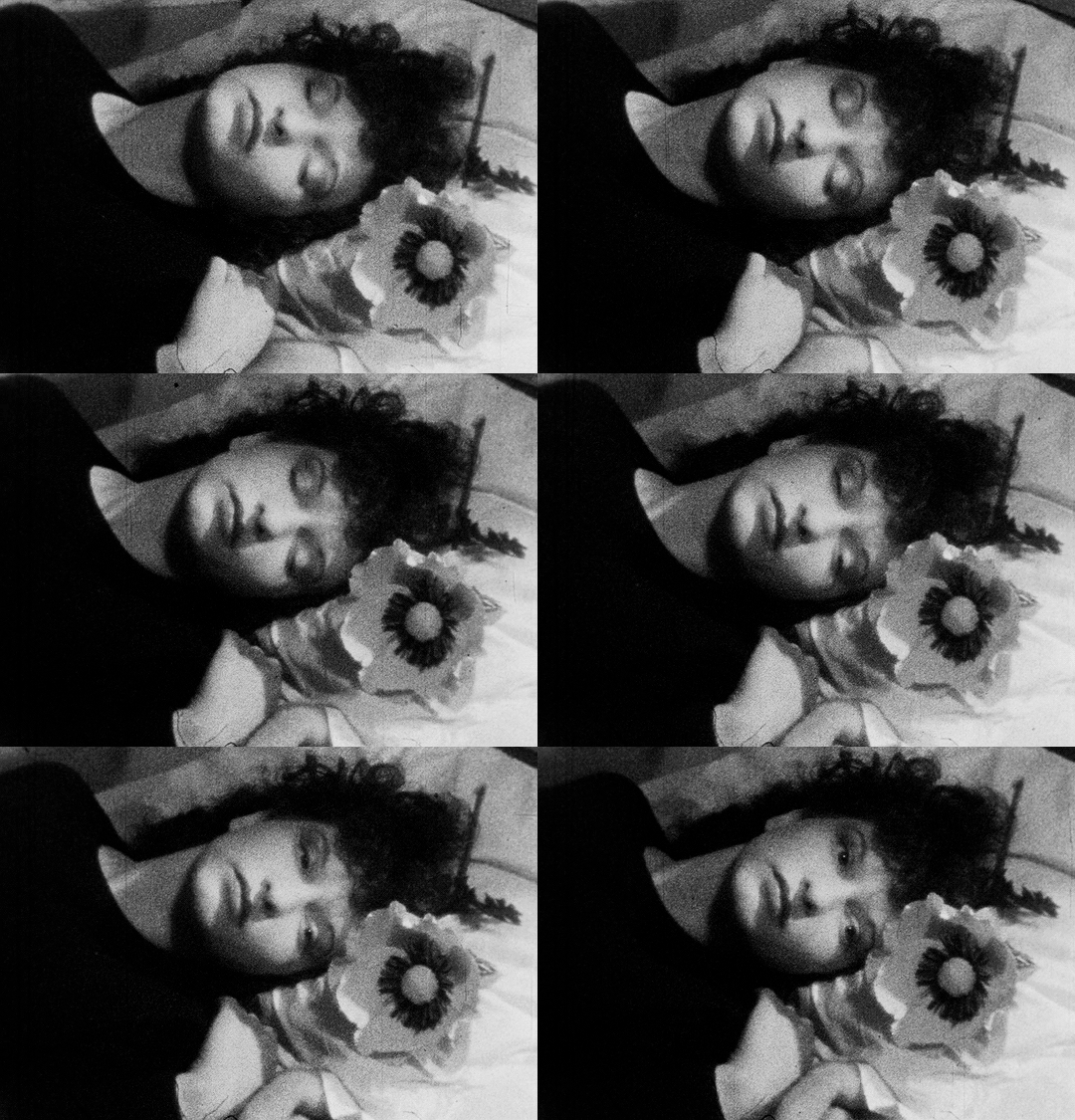 The flower, a symbol of femininity, is therefore connected with death and sexuality, respectively. After a shot of the reflection of the man in the mirror next to the bed, we watch her lying down through the male gaze. The camera switches to the predatory look on his face, and, as he is about to touch her, she grabs the knife and tries to stab his face. At this point, the knife breaks a mirror instead, and the face of the man disintegrates into shards (another connection between the man and the dream figure), revealing an image -perhaps a memory- of waves and the beach. The man comes inside the house again to find the dead body of the woman on the couch- she committed suicide by cutting herself with a mirror.
Deren poetically described the moment of the intertwining worlds as “a crack letting the light of another world gleam through.” [Deren, “A Letter”, in Essential Deren]
The uncanny dimension of the film lies in the transformation of the familiar environment into something mystifying, the dream-reality ambiguity, the repetition compulsion, the doubling (tripling and quadrupling), the distortions in spatial and temporal awareness, as well as the repetitive use of familiar images such as household objects that seemingly gain unknown symbolic connotations, whilst functioning as mnemonic devices. The juxtaposition of objects also contributes to the sense of dread and paranoia- the off-the-hook phone, the silent record player, the flower left behind by the enigmatic figure, the knife, the falling key. We can associate the off-the-hook phone with loss of communication, the knife -phallic form, therefore masculinity, besides the surface level connection with danger and death, the flower, as mentioned, having a contrasting effect-femininity, but also, death in this context; the key represents confinement, repression, and feeling entrapped, but also the possibility to escape. When the woman pulls out the key from her mouth, perhaps she had “the key” to find the way out all along, and then, as the regurgitated key turns into a knife, there is a connection between escape and (psychic) suicide. The mirror stands for introspection, and the death by mirror cut might allegorically refer to the disintegration of the identity construct, linked to liberation. When a version of the woman picks up the knife, she is re-claiming her agency, wielding phallic power.
It is worth mentioning that the director strongly opposed and discouraged psychoanalytic interpretations of her film and of the symbolic significance of the objects the film revolves around, instead encouraging the viewer to only interpret them in the context of the film narrative as a whole to avoid going beyond conscious intent in art. This brings me back to an inner debate on the topic of film analysis, its limitations and the question whether there is such a thing as going “too deep” into conscious and unconscious meaning behind film. The “risk” of going too deep is ingrained in the nature of the work of any film scholar or critic, especially when it comes to cine-psychoanalysis. However, when it comes to surreal films in particular, the intentions are blurred and open to interpretation, and clearly Deren’s art is lyrical in its symbolic nature, created by association of poetic images, and influenced by her interest in psychology. Before turning to cinematography, Maya Deren expressed herself through poetry, but she found it too limiting to convey the images in her mind through words.
To respect the wishes of the creator, let’s also look at her own statements related to the film, as well as her general preoccupations and beliefs, which are transparently relevant to the film.
“This film is concerned with the interior experiences of an individual. It does not record an event which could be witnessed by other persons. Rather, it reproduces the way in which the subconscious of an individual will develop, interpret and elaborate an apparently simple and casual incident into a critical emotional experience.” —Maya Deren on Meshes of the Afternoon, from DVD release Maya Deren: Experimental Films 1943–58.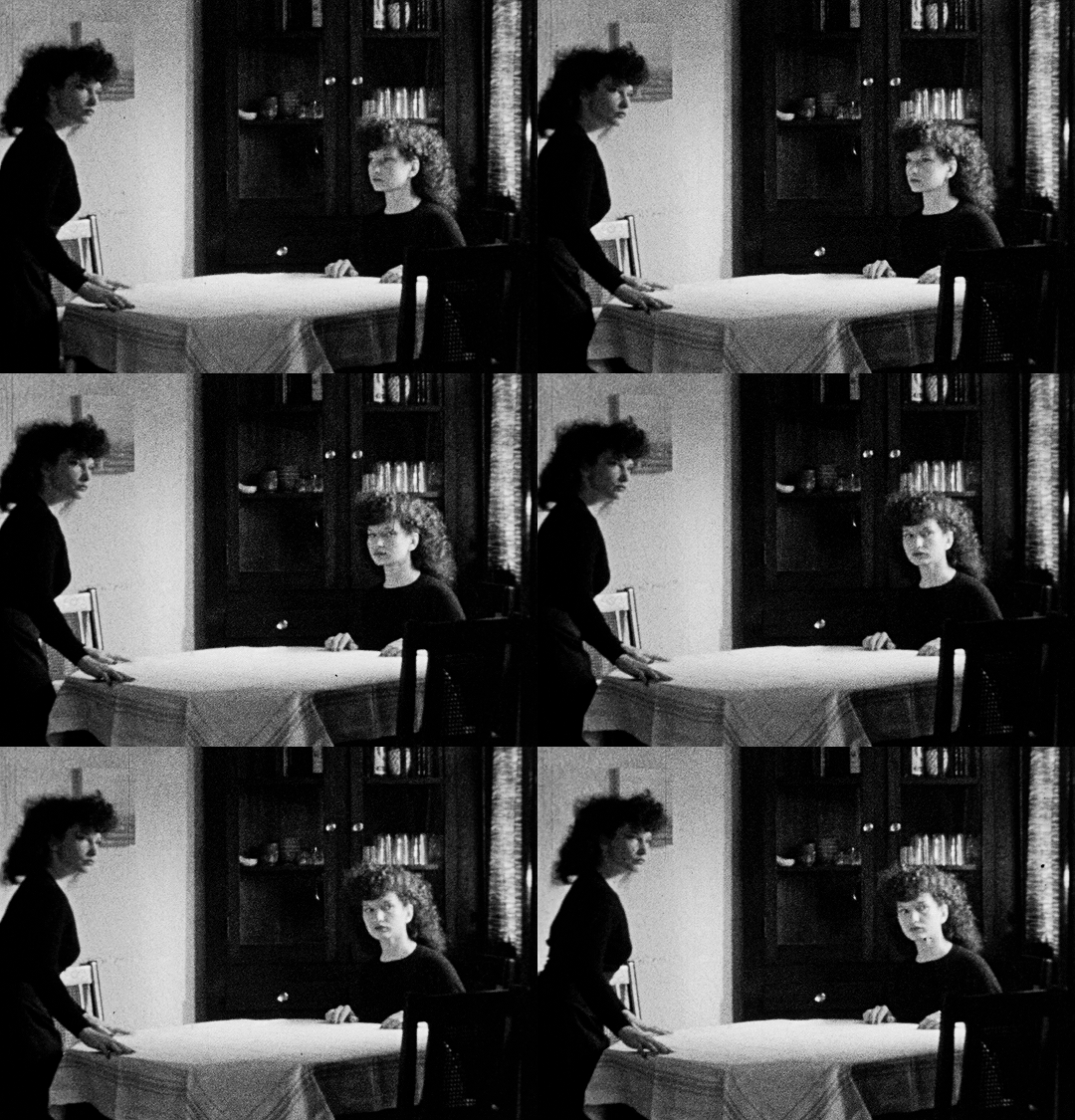 The multiplying of the character is connected to dissociation, alienation, emotional fragmentation, and potentially reintegration towards the end. The multiple incarnations of the woman evoke an internal schizoid narrative breathing life into alternative versions of herself- challenging her self-construct. Some of her personas are passively observing her more powerful, key-holding, knife-wielding persona. The suicide is symbolic, despite the fact that, in the final scene, it appears as if the layers of the dream world are peeled off and we have access to the real world. I believe the death symbolism is derived from Jungian psychology- i.e. the death and resurrection of consciousness. In light of this thought, the film can represent a visual representation of Jung’s Transcendent Function. What unfolds on screen is the process through which a person gains awareness of and confronts unconscious material driving their life in order to unite and re-channel the opposing energies of the ego and the unconscious into a third state of being, of wholeness. This would also have an integral effect that will merge the embodiments of the character’s dissociations. According to Jung, the process involves a challenging, unnerving unleashing of fantasies, dreams, and instincts. The sense of dread and panic evoked by the film matches this idea. The process is also associated with the notion of ego death in Eastern philosophies.
To further delve into Deren’s psyche and establish other links, let’s remember that she was fascinated by the rituals of Haitian Vodou and religious possession. She later participated in Vodou ceremonies and documented the rituals. Together with her love of dance (and later, her experience with recreational drugs) her immersion in and fascination with rituals were also a result of seeking to drift away from self-centredness, to go beyond self-construct and personality, and merge with something greater. This is again related to the Buddhist concept of ego death – a transcendent, life-turning mental state with self-revelatory consequences. We know that Deren has a preoccupation with the transformation of the self and reaching higher spiritual states of awareness. In this excerpt from An Anagram of Ideas on Art, Form, and Film (1946), she makes insightful comments about ritual:
“The ritualistic form treats the human being not as the source of the dramatic action, but as a somewhat depersonalised element in a dramatic whole. The intent of such depersonalisation is not the destruction of the individual; on the contrary, it enlarges him beyond the personal dimension and frees him from the specialisations and confines of personality. He becomes part of a dynamic whole which, like all such creative relationships, in turn, endow its parts with a measure of its larger meaning.”
I am glad she mentions depersonalisation and associates it with a form of spiritual awakening, as this coincides with my beliefs on depersonalisation and derealisation, which are also relevant to the film. The two often go hand in hand. Both experiences (note I’m not referring to them as ‘disorders’) involve a feeling of detachment – from one’s thoughts and from reality, as well as an awareness of this detachment (which distinguishes it from psychosis: there are no delusions or psychotic elements involved). Derealisation involves experiencing the world as if you are living in a dream or a film, and depersonalisation is the feeling of unreality of the self, which has been introduced as a psychiatric disorder of the dissociative type in 1930 and has been updated and re-interpreted several times in various psychiatric diagnosis manuals. Other common features mentioned in the DSM-IV are an uncanny distortion in visual and temporal perception, a feeling that other people, places, or events appear unfamiliar, unreal, or mechanical and lacking emotional depth. An individual experiencing this might feel like an outside observer of his or her own mental processes. All of this also applies to Meshes of the Afternoon where the protagonist is in a perpetual, adrift state of trance as she navigates the dream web and observes herself from an external perspective, whilst familiar objects appear foreign, strange, or ‘tainted’.
Here is an excerpt from Feeling Unreal, one of the few books tackling the elusive topic of DPD- written by Daphne Simeon, MD and Jeffrey Abugel. The description matches the insight and feeling revealed by Deren regarding the state of depersonalisation in ritual:
“No longer grounded by familiar sensations or surroundings, they feel as if they’re losing their grip on reality. But unlike people with psychotic conditions like schizophrenia, they are not going insane at all. They are, if anything, suddenly overly aware of reality and existence and of the ways in which their own experience is a distortion of a ‘normal’ sense of a real self. Depersonalisation, in fact, resembles a sort of altered ‘awareness’ or ‘awakening’ that in some cultures is thought to be a level of spiritual growth.”
It is worth watching both existing versions of the film: Your viewing experience might change depending on whether you watch the early silent version or the 1959 version accompanied by the official sombre, atmospheric soundtrack created by Teiji Ito, Maya’s second husband. You will also not be surprised to find out that the dreamlike atmosphere and narrative of Meshes was a source of inspiration for David Lynch’s Lost Highway (1997) and Mulholland Drive (2001).
-
Postmodern
Writing will always feel like a strange paradoxical venture to me because you’re supposed to curate your thoughts and words to establish an image, a style, an angle, a niche, fit into a genre, or take into account an audience, but not so much that you compromise with yourself, just enough.
Doesn’t that make writing inherently inauthentic, deceitful?
Or at least, incomplete? Perhaps dual? Every word, sentence, stanza or paragraph tinged with both presence and absence, permanence and transience, openness and confinement, revealing and concealing?
Writing is about the world inside and the world outside, about an appreciation of them, about the connection between them, about reducing the space between self and other.
It carries a compromise between subjectivity and objectivity, between an understanding and a lack of understanding; because every mind functions somewhat differently, every consciousness having a different set-up due to nature and nurture.
And yet, with increasing (especially spiritual) awareness comes the realisation we are all both different and alike.
Perhaps writers are aware of the limitation and power of language the most, followed by psychologists.
I have an infinite fondness for the postmodernists and the beautifully unhinged nature of their work, their literary and psychological fragmentation
Sometimes I see or feel characters and I incorporate what they represent, I give them a voice, in doing that, I give myself a voice- and vice-versa- by integrating them within my self.
This is sometimes exhausting.
It’s also bewildering, cathartic, empowering, a blessing and a curse.When I write, I know nothing and I know everything.
How avant-garde. -
A poem: Freesia girl
I am intoxicated
with the saccharine mystery
in your warm gaze,
your sylph-like appearance-
a misty dream haunting
idyllic paths
inexorably, I find myself
in the same spot
under the tree archway
as much as I try to escape
how sweet-
sickeningly sweet-
my suffering,
the uncanny feeling of being
hypnotised to return,
to haunt and be haunted
I feel masochistic urges
to re-enact scenes of
long-lost delights
of the senses
delicately,
then vigorously
wistfully all along
You never wither,
I decay in the scent
of nostalgia. -
Life observations and tips on how to pass through life with awareness
– Empowered people contribute to the empowerment of those around them.
– Avoid judging things at surface level. You need to dig a few layers deeper without closing your eyes when you find treasure rooms or catacombs. On the surface, you might be trapped in a Fata Morgana.
– It’s true that high expectations often lead to disillusionment with the world; however, as long as you don’t let yourself be disillusioned with your self, high expectations can be used as fuel to build and improve your life.
– Falsity contaminates. Authenticity inspires; it’s contagious, enveloped in light, and arouses kindness. Its adepts are a dying breed, so value them.
– We all have both light and darkness within us. Some will see the angelic, others the devilish, and such judgements are partly reflections of the watcher. I wouldn’t say you should never see yourself through the eyes of another as that could inhibit empathy and diminish your humanity, or simply prevent positive things from happening- instead, be selective of the eyes you borrow, why, and when…
– …and whatever you do, never lose your own vision, lest you be swallowed by the mouth of the world and become a watered-down version of yourself.
– Sometimes you won’t know if something is right or wrong for you until you try it. If you realise it feels wrong, give up. If it feels right, carry on, regardless of external views. Not all compasses for life navigation reveal the same directions.
– Your beliefs, perspective on, or perceptions of many subjects will shift over time. This can manifest in your response to and interpretations of the world around you, which can, in turn, re-shape your world.
– You should create your life, not just react to it. Relinquish fatalistic views.
– Don’t fall into toxic ego traps.
– As you age, years start flying by in a blink. I’m young, and I already feel life slipping away so quickly. Don’t live in the past and don’t spend too much time lamenting the death of past moments or things that are out of your control.
– Don’t become complacent. If you ever feel ‘there is more to life than this’, whether you’re thinking of your job, lifestyle, or experiences, you are probably right. Explore and feel new things, pump up your dopamine and adrenaline levels. Take risks, but have a safety net.
– Embrace who you are. Maybe in your adolescence and your twenties that’s a meaningless or elusive statement since you’re constantly learning new things, going through changes, growing as a person. Well, hopefully your whole life will consist of that. But embracing yourself encompasses that fluidity too, it means giving yourself a break, recognising all aspects of yourself and accepting them (if they’re not harmful or toxic). It’s okay to cultivate happy thoughts and it’s okay to be cynical sometimes. It’s okay to be funny and it’s okay to be serious. Intense and light-hearted and giggly. Sociable and reserved. Impulsive or stoic. It’s okay to explore your provocative side and it’s also okay to be timid. To see yourself as a collection of thoughts and memories. To be made of many things, without any single aspect defining you by itself. It’s okay to be real. -
Various poems
Catatonic state
I feel your ashes
like quicksand
I’m sucked into
so I’m standing still
trying to enjoy the view.Your faith
I never confessed this but
your faith helped keep me
anchored in myself
whenever the currents started
hitting from all sides.
I just wanted to thank you
for still existing in my mind.Extensions
Extensions of me
are ramifying under
your skin.
Does it hurt when
I unravel your bloody
nightmares?Discrepancy
As you weed them out,
slowly, the space between
you and the other you-
both mental concepts-
will become smaller
and smaller
until they merge into one
at which point you will look
around, filled with life,
no longer tainted, you will
open your eyes and see
the discrepancy is abolished
but so is everyone else. -
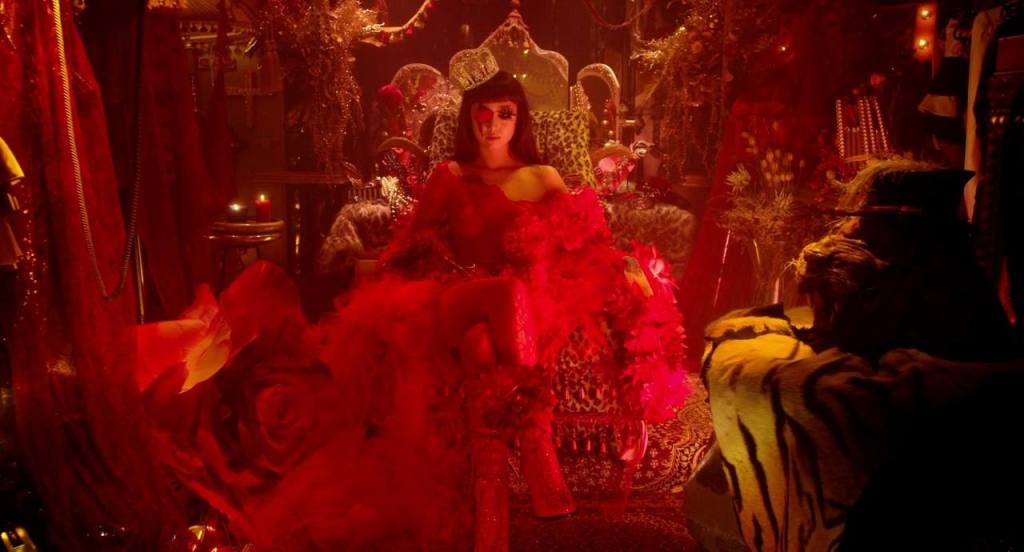
Reviews: Psychological horror films set in the fashion world: The Neon Demon (2016) and Helter Skelter (2012)
The Neon Demon (2016), directed by Nicolas Winding Refn, is a surreal hyper-stylised psychological horror film unveiling a dark satire of the fashion industry. Elle Fanning plays Jesse, who epitomises the trope of the pure, genuine, angelic character entering a wicked world filled with artificial, soulless, manufactured characters, and becoming tainted by her surroundings. Meanwhile, everything spirals out of control and eventually down into the macabre and the gruesome.
The hallucinatory and grotesque spectacle is shown through a slick fashion commercial aesthetic, accompanied by fitting synth sounds and little dialogue, as the film relies on its bewitching atmosphere. Many parallels can be drawn between Refn’s film and the stylish Japanese psychological horror film, Helter Skelter (2012), which was potentially a source of inspiration: they are both bloody, visually stunning, surreal, satirical reflections on the artificiality of the fashion world. They even share torn out eyeballs – the difference being The Neon Demon goes all the way when one character eats a regurgitated eyeball, in one of the many scenes alluding to the theme of women devouring each other and destroying themselves in pursuit of beauty-based fame. The shock value of The Neon Demon is continuously impactful, with elements ranging from self-mutilation and absurd knife fights to cannibalism and necrophilia.

The ghastly, sickening acts and soft gore visuals are mixed with beautiful, compelling imagery and a glamorous style in such a harmonious way, as if purposely trying to make it hard for viewers to be grossed out; instead, the viewer is under a spell, watching the unfolding of a disturbingly strange dream.
The majority of criticism the film has been subjected to revolves around it being shallow, reductive, objectifying, offensive, form over content. However, the film is clearly self-reflective in the sense that it’s a critique of the things it depicts and the things it exaggerates to an absurd degree. Sometimes the subtext eludes viewers because the film might appear to revel in its own madness and in the culture it condemns, but, in the end, every viewer takes something different from the film. The Neon Demon is hypnotic and compelling with its gripping atmosphere, its dual aesthetic- incorporating both the glamorously exquisite and the macabre, and its bewildering dream sequences.

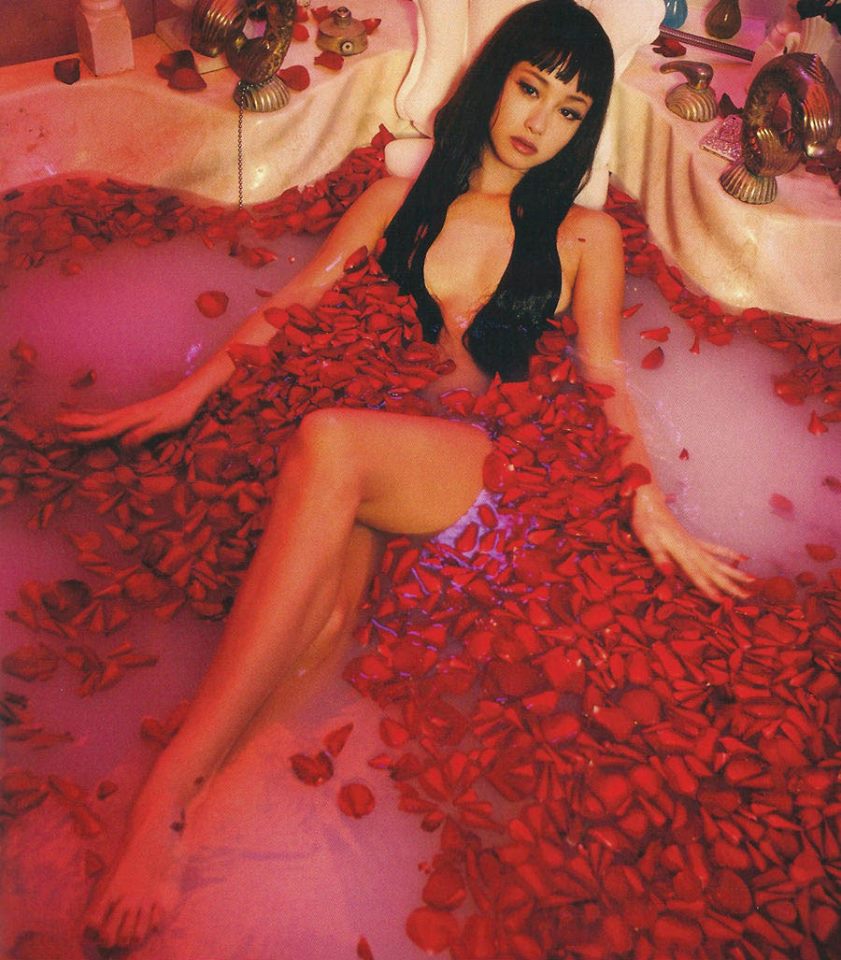 Based on the Japanese exploitative psychological horror manga by Kyoko Okazaki, Helter Skelter (2012), directed by Mika Ninagawa, is a disturbing hyperstylised surreal drama depicting the chaotic life of manufactured superstar Lilico, who navigates the dark side of the fashion world. What lurks beyond the glamorous facade is portrayed as not only sad, but grim, and merging with the macabre. Whilst Lilico gradually delves into psychotic delusions, the film touches upon notions of transience, artificiality, the impact of stardom and its correlation with mental state deterioration, the identification of the self purely with the image and the (fluctuating and inevitably fading) success of the image, and the consequent predictable corruption of the soul.
Lilico, played by suitably controversial Erika Sawajiri, is an influential and highly appreciated Japanese supermodel whose beautiful appearance permeates the news, magazines, and minds of Japanese teenage girls who look up to and aspire to be her – or the idea of her. Behind the scenes and the smiles, she embodies a clear case of narcissistic personality disorder, her existence solely dictated by an insatiable ego which is fed by fame and dependent on the recognition of her physical beauty and success. In some ways, her life seems to be a heavenly dream that she just grows tired of: she is always found either revelling or agonising in aesthetic, lurid, and shiny surroundings, around people who satisfy her every whim. She lives in an alluring, luxurious, decadent place, where the colour palette is dominated by red, the vividness of the decor being reminiscent of Argento’s classic, Suspiria (1977).
Jaded, tragically cynical, shallow, and malicious, Lilico ends up being a toxic presence in the lives of the few people in her proximity, constantly undermining and treating her assistant harshly despite her blind devotion, and trying to sabotage others’ happiness. Her self-centred, vitriolic demeanour is counteracted by moments of vulnerability in which she drowns in her own dramatic sadness, as depicted in explicit shots finding her collapsed and lying motionless on the floor. Lilico is unhinged, oscillating between feeling on top of the world, completely apathetic, in total agony, and at times terrifyingly psychotic. The psychotic episodes unfold like visually stunning, distorted psychedelic nightmares, featuring blood rain, optical illusions, and ominous butterflies.
When another model enters the picture and seems to steal the spotlight, threatening her goddess status with her presence, Lilico is faced with the acute awareness of the flimsy quality of the fashion industry. Consumed by feelings of helplessness and resentment, she wants to destroy the new star, Kozue Yoshikawa, despite acknowledging the inherent ephemeral nature of modelling careers and the hunt for newness. However, since her numerous cosmetic surgeries are taking their toll as the clinic she went to is accused of suspicious conduct in their treatments, Lilico’s physical health diminishes and she ends up destroying herself and performing a shocking act in front of a myriad of cameras pointed at her- an act which, of course, involves the eyes.
Aesthetically, Helter Skelter is a hypnotic feast for the senses, which is unsurprising considering the director of the film is Mika Ninagawa, who has a background in commercial photography and a lurid, vividly-coloured signature photographic style. The message is transparent in this twisted, grotesque, yet highly aesthetic spectacle, namely a poignant and compelling critique of the fashion world, its objectifying nature, and the concept of stardom which encourages the cultivation of appearance over essence. The protagonist displays a perfect, glamourous, appealing image out into the world, whilst being rotten on the inside- both mentally and physically. Lilico is unequivocally damned, however not entirely responsible for her own damnation.
 DIANA MARIN